Understanding EV Chargers: What You Need to Know About Electric Vehicle Charger Needs

Electric vehicles (EVs) are becoming more common on our roads. With this rise, understanding EV chargers is essential. Whether you own a home or run a business, knowing what kind of charger you need can save you time and money. I want to share what I’ve learned about electric vehicle charger needs. This guide will help you make smart choices for your property.
Understanding EV Chargers: Types and Basics
EV chargers come in different types. Each type serves a specific purpose and fits different needs. The main categories are Level 1, Level 2, and DC fast chargers.
Level 1 Chargers (often called a "granny cable") is a portable charging cable that plugs into a standard 3-pin domestic socket (230V), delivering roughly 2.3kW-3kW of power. It provides about 3-5 miles of range per hour, making it best for low-mileage users, overnight charging, or emergency use.
Level 2 Chargers require a 240-volt outlet, like those used for dryers. They charge faster and are common for home and business use.
DC Fast Chargers provide rapid charging but need special equipment and high power. These are mostly found in public charging stations.
Knowing these basics helps you decide which charger suits your daily routine. For example, if you drive short distances, a Level 1 charger might be enough. But if you need quick charging, Level 2 or DC fast chargers are better.
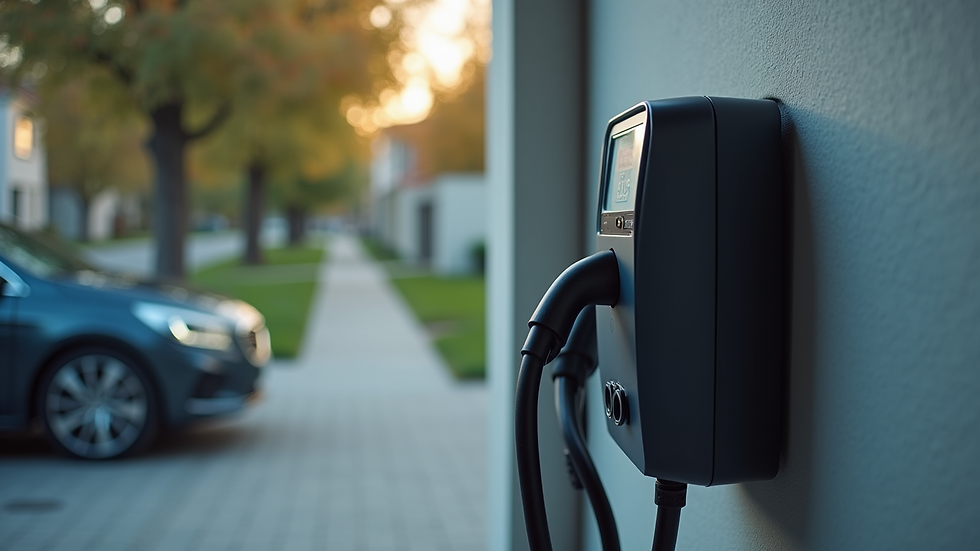
How to Choose the Right Charger for Your Property
Choosing the right charger depends on several factors. I always start by considering how much driving you do and where you park your vehicle.
Daily Driving Distance: If you drive long distances, faster charging is important.
Parking Location: Do you have a garage or outdoor parking? This affects the type of charger you can install.
Electrical Capacity: Your property’s electrical system must support the charger’s power needs.
Budget: Chargers vary in price, and installation costs can add up.
For example, a homeowner with a garage and a moderate daily commute might find a Level 2 charger ideal. Businesses with fleets may need multiple Level 2 chargers or even DC fast chargers to keep vehicles ready.
If you’re unsure about your electrical system’s capacity, it’s wise to consult a professional. They can assess your setup and recommend the best solution.
The Importance of Professional Installation
Installing an EV charger is not just about plugging it in. It involves electrical work that must meet safety standards. That’s why professional electric vehicle charger installation is crucial.
A qualified electrician will:
Check your electrical panel and wiring.
Ensure the charger is compatible with your system.
Install the charger safely and securely.
Test the charger to confirm it works properly.
Professional installation also helps avoid future problems like electrical faults or inefficient charging. It gives peace of mind knowing your charger is safe and reliable.
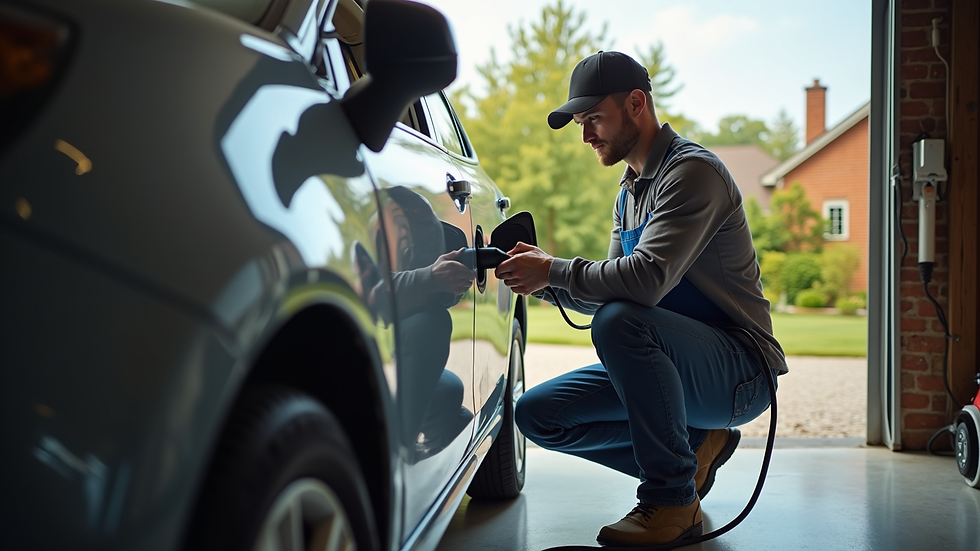
Practical Tips for Maintaining Your EV Charger
Once your charger is installed, maintaining it is simple but important. Here are some tips I recommend:
Keep it Clean: Wipe the charger and cable regularly to remove dust and dirt.
Check for Damage: Inspect cables and connectors for wear or cracks.
Avoid Water Exposure: While chargers are weather-resistant, avoid direct water spray.
Follow Manufacturer Guidelines: Use the charger as instructed to prolong its life.
Schedule Regular Inspections: Have a professional check the charger every year.
These steps help your charger work efficiently and last longer. Proper maintenance also ensures your EV charges safely every time.
Planning for Future EV Charger Needs
EV technology is evolving fast. When planning your charger needs, think about the future. You might want to:
Install a charger that can handle faster charging later.
Prepare your electrical system for additional chargers.
Consider smart chargers that connect to apps for monitoring and control.
Planning ahead saves money and hassle. For example, upgrading your electrical panel now can avoid costly changes later. Also, smart chargers can help manage energy use, which is great for homes and businesses looking to save on electricity bills.
By thinking about future needs, you ensure your property stays ready for new EV models and charging technologies.
Making the Right Choice for Your Home or Business
Choosing and installing the right EV charger is a smart investment. It supports your vehicle’s needs and adds value to your property. Whether you want a simple home charger or a business setup, understanding your options is key.
If you’re ready to install an EV charger, consider professional help. Electric vehicle charger installation ensures the job is done safely and efficiently. It also guarantees your charger works as expected from day one.
Remember, the right charger makes charging easy and convenient. It keeps your EV ready to go whenever you need it.
I hope this guide helps you understand electric vehicle charger needs better. With the right knowledge, you can make confident decisions that fit your lifestyle and property. Charging your EV should be simple, safe, and reliable. And with the right charger, it will be.



Comments